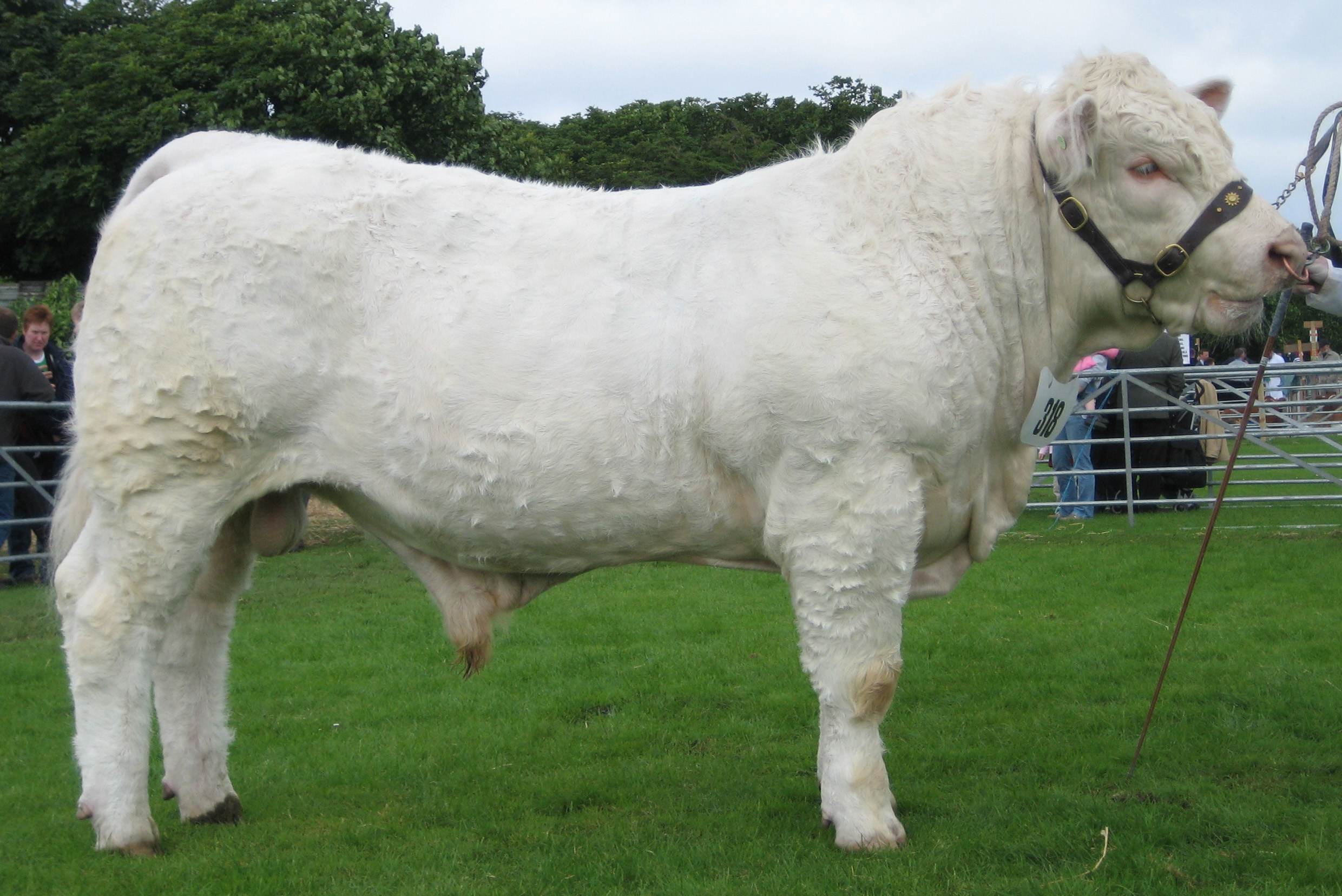
Event format ●
Placing Classes Look first Published middle-school rules use 4–6 evaluation classes, and the current Florida FFA event page highlights market and breeding cattle, swine, sheep and goats.
Classes are ranked from most desirable to least desirable for the class purpose.
Practice seeing structure, muscle, finish, balance and species-specific priorities.
Memory cue Place the class for its purpose, not your favorite animal.
Speed Slow Normal Fast Voice Device Natural AI Event format ●
Question Classes Look first After designated evaluation classes, contestants can answer observation questions about the animals they just evaluated.
Published middle-school rules specify 5–10 questions per question class.
Train yourself to note markings, structure and comparative traits while you place.
Memory cue Place it, then remember what you actually saw.
Speed Slow Normal Fast Voice Device Natural AI Event format ●
Beef & Swine Identification Look first The identification/skillathon area covers beef and swine body parts, breeds and wholesale cuts.
Published middle-school rules allow 30 minutes for the identification phase.
Sheep and meat goats belong in placing-class study, not the beef/swine ID pool.
Memory cue ID station = beef + swine: parts, breeds, cuts.
Speed Slow Normal Fast Voice Device Natural AI Event format ●
2026–27 State Finals Tiebreaker Look first At Middle School State Finals, individual ties use total placing classes first, then total questions.
Team State Finals ties use drop score, total placing classes, then total questions.
Do not use the preliminary written-exam tiebreak order at State Finals.
Memory cue Finals: placings → questions.
Speed Slow Normal Fast Voice Device Natural AI Evaluation basics ●
Muscle Look first Compare width, shape and expression in high-value areas.
Market animals should show useful width through top/loin and quarter or ham.
More width only helps if the animal remains structurally functional.
Memory cue Muscle = width + shape where product is.
Speed Slow Normal Fast Voice Device Natural AI Evaluation basics ●
Finish Look first Finish means external fat cover and degree of market readiness.
Too little and too much finish can both be faults.
Never confuse fat cover with muscle.
Memory cue Finish = fat cover, not muscle.
Speed Slow Normal Fast Voice Device Natural AI Evaluation basics ●
Structural Correctness Look first Feet and legs should let the animal move freely and stay useful.
Watch hock, knee, pastern and shoulder angles.
Movement can reveal problems hidden while standing.
Memory cue Structure = can it move and stay sound?
Speed Slow Normal Fast Voice Device Natural AI Evaluation basics ●
Balance Look first Body parts should blend proportionally from front to rear.
Avoid animals that are extreme in one trait but poor overall.
Use profile, front/rear and movement views.
Memory cue Balance = pieces fit the whole.
Speed Slow Normal Fast Voice Device Natural AI Evaluation basics ●
Placing Scores & Cuts Look first A perfect placing is worth 50 points; reversing a close pair should cost less than reversing a pair the official judge separated widely.
The three cuts describe the official judge's separation in the top, middle and bottom pairs.
A reversed pair drops the cut values crossed by that reversal.
Memory cue Cuts tell you how costly a pair mistake is.
Speed Slow Normal Fast Voice Device Natural AI Evaluation basics ●
Market Steer Priority Order Look first Growth/performance → composition → structural correctness → balance/eye appeal.
Composition means the correct blend of muscularity and finish.
Use market data or performance information when the class supplies it.
Memory cue Market steer: grow → product → move → balance.
Speed Slow Normal Fast Voice Device Natural AI Evaluation basics ●
Breeding Cattle Priority Order Look first Start with structural correctness and function, then volume, balance, composition and scenario-appropriate performance.
Breeding cattle must remain useful and mobile for the production system.
When a production scenario or performance data are supplied, let the scenario change trait emphasis.
Memory cue Breeding cattle: function first, then capacity and purpose.
Speed Slow Normal Fast Voice Device Natural AI Evaluation basics ●
Market Hog Priority Order Look first Growth → composition → structural soundness → balance/design.
Evaluate hogs from multiple angles because they are loose and moving.
Do not confuse body fat with useful loin and ham muscle.
Memory cue Market hog: grow → product → drive → design.
Speed Slow Normal Fast Voice Device Natural AI Evaluation basics ●
Breeding Swine Priority Order Look first Structural soundness → growth → composition → sexual characteristics.
Feet, legs and joint angles affect durability.
For females, reproductive usefulness and underline quality matter along with growth and composition.
Memory cue Breeding swine: stay sound, grow, produce, reproduce.
Speed Slow Normal Fast Voice Device Natural AI Evaluation basics ●
Breeding Sheep Priority Order Look first Growth/performance, structural soundness, volume, muscle and correct breed/sex character all matter.
Breeding sheep should travel comfortably and easily.
Rams should look masculine and rugged; ewes should remain feminine and productive.
Memory cue Breeding sheep: growth + soundness + capacity + muscle.
Speed Slow Normal Fast Voice Device Natural AI Evaluation basics ●
Market Lamb Decision Order Look first Start with saleable muscle and the correct degree of finish, then use growth, structure and balance to separate close lambs.
Read width and shape over the rack, loin and leg rather than judging fleece or style alone.
Too much finish can hide muscle shape and reduce cutability.
Memory cue Market lamb: product first — muscle + correct finish.
Speed Slow Normal Fast Voice Device Natural AI Evaluation basics ●
Market Wether Priority Order Look first Muscle → handle/cutability → growth → balance → structure.
Muscle leads the market-wether class.
A trim, efficient handle can separate two similarly muscular goats.
Memory cue Wether: muscle first, then cutability.
Speed Slow Normal Fast Voice Device Natural AI Evaluation basics ●
Breeding Doe Priority Order Look first Width/stoutness → structure → balance → performance.
Base width and stout construction matter in breeding does.
Long-term function remains more important than surface refinement.
Memory cue Doe: stout → sound → balanced → productive.
Speed Slow Normal Fast Voice Device Natural AI Evaluation basics ●
Sheep Class Recognition Look first Middle-school placing classes may include sheep. Practice evaluating muscle, finish, structure, balance and species-appropriate breed/market traits.
This item appears in the Florida FFA material used to build this study bank.
Practice recognition from multiple views because contest specimens and photos can vary.
Memory cue Sheep can appear in placing classes even though the ID station is beef/swine.
Speed Slow Normal Fast Voice Device Natural AI Evaluation basics ●
Meat Goat Class Recognition Look first Middle-school placing classes may include meat goats. Practice structural correctness, muscle, balance, capacity and market/breeding purpose.
This item appears in the Florida FFA material used to build this study bank.
Practice recognition from multiple views because contest specimens and photos can vary.
Memory cue Goats can appear in placing classes even though the ID station is beef/swine.
Speed Slow Normal Fast Voice Device Natural AI