Beef breed ID ●
Angus Look first Start with the combination of a solid black coat and a naturally polled head on a compact, smooth beef-type animal.
Closest check Brangus is also commonly black and polled, but usually shows more Brahman influence through looser skin, larger ears and a slightly different shoulder/neck profile.
Contest habit identify ear carriage, horn/polled status, color pattern and breed-type clues before committing to the name.
Memory cue Angus = black + clean, polled British type.
Speed Slow Normal Fast Voice Device Natural AI Beef breed ID ●
Red Angus Look first Look for the same smooth, polled Angus type in a uniform red coat with no white face.
Closest check Santa Gertrudis and Beefmaster can also be red, but they often show more Brahman influence; Hereford has the obvious white face.
Contest habit identify ear carriage, horn/polled status, color pattern and breed-type clues before committing to the name.
Memory cue Red Angus = Angus shape wearing red.
Speed Slow Normal Fast Voice Device Natural AI Beef breed ID ●
Hereford Look first Find the white face first, then confirm a red body with common white on the crest, underline, feet and tail switch.
Closest check Polled Hereford has the same color pattern but no horns; Braford adds Brahman-influenced ears, skin and body type.
Contest habit identify ear carriage, horn/polled status, color pattern and breed-type clues before committing to the name.
Memory cue Hereford = red body + white face.
Speed Slow Normal Fast Voice Device Natural AI Beef breed ID ●
Polled Hereford Look first Look for the classic Hereford red-and-white pattern on a naturally hornless/polled head.
Closest check Traditional Hereford may be horned. Braford can share the white face but shows Brahman influence in ears, skin and body type.
Contest habit identify ear carriage, horn/polled status, color pattern and breed-type clues before committing to the name.
Memory cue Polled Hereford = Hereford pattern, no horns.
Speed Slow Normal Fast Voice Device Natural AI Beef breed ID ●
Brahman Look first Start with the shoulder hump, then confirm large drooping ears, loose dewlap/skin and Bos indicus head shape.
Closest check Brangus, Braford, Santa Gertrudis and Beefmaster carry Brahman influence, but none should show the pure-Brahman combination as strongly.
Contest habit identify ear carriage, horn/polled status, color pattern and breed-type clues before committing to the name.
Memory cue Brahman = hump + big ears + loose skin.
Speed Slow Normal Fast Voice Device Natural AI Beef breed ID ●
Brangus Look first Look for a solid black, polled animal that still shows subtle Brahman influence in the ears, skin and neck/shoulder.
Closest check Angus is cleaner-skinned and more purely British in head/ear type; Brahman shows a much more obvious hump, dewlap and pendulous ears.
Contest habit identify ear carriage, horn/polled status, color pattern and breed-type clues before committing to the name.
Memory cue Brangus = black Angus look + Brahman influence.
Speed Slow Normal Fast Voice Device Natural AI Beef breed ID ●
Braford Look first Start with the Hereford-style white face and red/white pattern, then look for Brahman influence in ears, loose skin and body type.
Closest check Hereford has the white face without the stronger Brahman traits; Brahman lacks the classic Hereford color pattern.
Contest habit identify ear carriage, horn/polled status, color pattern and breed-type clues before committing to the name.
Memory cue Braford = Hereford face + Brahman features.
Speed Slow Normal Fast Voice Device Natural AI Beef breed ID ●
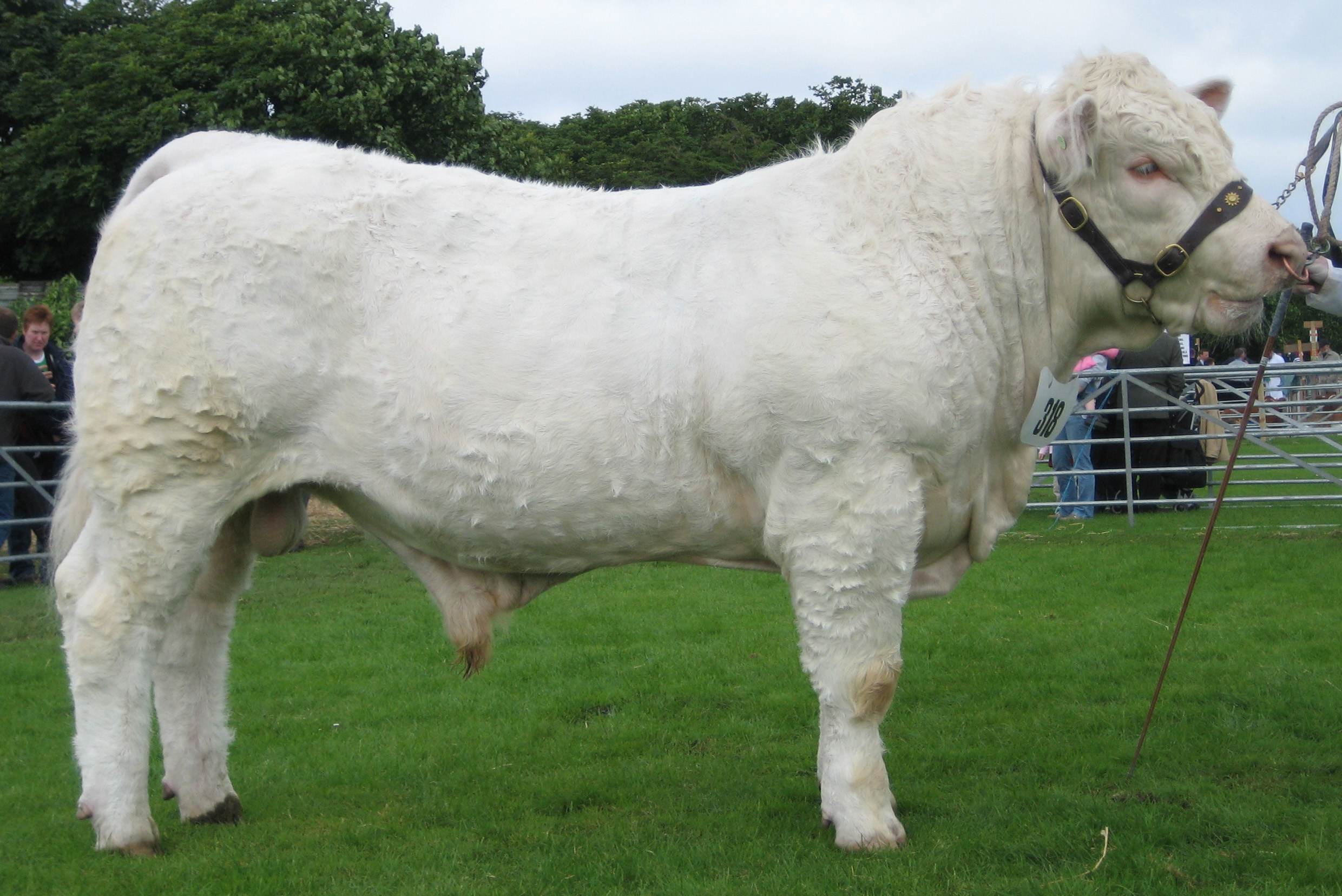
Charolais Look first Look for a large-framed, heavily muscled animal that is white to cream with a broad, powerful body.
Closest check Chianina is also pale but is usually taller, longer-legged and more refined; Charolais reads thicker and more muscular.
Contest habit identify ear carriage, horn/polled status, color pattern and breed-type clues before committing to the name.
Memory cue Charolais = cream-white + big muscle.
Speed Slow Normal Fast Voice Device Natural AI Beef breed ID ●
Chianina Look first Look for extreme height and length of leg on a white-to-light-gray animal, often with dark pigment around the muzzle, eyes or points.
Closest check Charolais is usually thicker and more heavily muscled through the body; Chianina is the taller, more long-legged pale breed.
Contest habit identify ear carriage, horn/polled status, color pattern and breed-type clues before committing to the name.
Memory cue Chianina = tall white-gray giant.
Speed Slow Normal Fast Voice Device Natural AI Beef breed ID ●
Galloway Look first Look for a naturally polled, solid-colored animal with a dense, shaggy, double-looking hair coat.
Closest check Do not call a white-belted animal plain Galloway; Belted Galloway is visually distinct. Angus is black too but has a much smoother coat.
Contest habit identify ear carriage, horn/polled status, color pattern and breed-type clues before committing to the name.
Memory cue Galloway = solid color + shaggy coat.
Speed Slow Normal Fast Voice Device Natural AI Beef breed ID ●
Gelbvieh Look first Look for a muscular continental-type animal commonly golden, tan or reddish, with a substantial frame and body depth.
Closest check Limousin can also be red/golden but often reads more sharply muscled; Red Angus is smoother British type and typically more compact.
Contest habit identify ear carriage, horn/polled status, color pattern and breed-type clues before committing to the name.
Memory cue Gelbvieh = golden-red + deep continental body.
Speed Slow Normal Fast Voice Device Natural AI Beef breed ID ●
Limousin Look first Start with pronounced muscular shape through the top and hindquarter; traditional color is golden-red with lighter areas around the eyes and muzzle.
Closest check Gelbvieh is often deeper-bodied and less sharply expressive in muscle; Charolais is pale cream/white.
Contest habit identify ear carriage, horn/polled status, color pattern and breed-type clues before committing to the name.
Memory cue Limousin = red/gold + very defined muscle.
Speed Slow Normal Fast Voice Device Natural AI Beef breed ID ●
Maine-Anjou Look first Look for a very large-framed continental animal; traditional cattle are dark red with white markings, though black cattle are common today.
Closest check Do not use coat color alone. Compare overall size, length and frame against Angus, Simmental and other large continental breeds.
Contest habit identify ear carriage, horn/polled status, color pattern and breed-type clues before committing to the name.
Memory cue Maine-Anjou = massive frame; color can vary.
Speed Slow Normal Fast Voice Device Natural AI Beef breed ID ●
Pinzgauer Look first Look for a chestnut-red animal with a distinctive white stripe along the topline that continues through the underline and rear/tail area.
Closest check Simmental can be red and white too, but Pinzgauer's white is organized into the characteristic topline/underline pattern rather than a white face pattern.
Contest habit identify ear carriage, horn/polled status, color pattern and breed-type clues before committing to the name.
Memory cue Pinzgauer = red body + white racing stripe.
Speed Slow Normal Fast Voice Device Natural AI Beef breed ID ●
Santa Gertrudis Look first Look for a deep cherry-red animal with moderate Brahman influence—looser skin and more ear than a British breed, but less extreme than Brahman.
Closest check Red Angus is cleaner-skinned and polled British type; Brahman shows a stronger hump, longer ears and more loose skin.
Contest habit identify ear carriage, horn/polled status, color pattern and breed-type clues before committing to the name.
Memory cue Santa Gertrudis = cherry red + Brahman influence.
Speed Slow Normal Fast Voice Device Natural AI Beef breed ID ●
Shorthorn Look first Check coat pattern first: Shorthorn may be red, white or classic roan, where red and white hairs are intermixed rather than patched.
Closest check Hereford has a distinct white face pattern; Simmental commonly has larger white markings/face rather than evenly intermixed roan hairs.
Contest habit identify ear carriage, horn/polled status, color pattern and breed-type clues before committing to the name.
Memory cue Shorthorn = red, white or true roan.
Speed Slow Normal Fast Voice Device Natural AI Beef breed ID ●
Simmental Look first Traditional Simmental often shows a red/yellow body with a white face and white markings on a large continental frame; black Simmental also occur.
Closest check Hereford shares a white face but is more British beef type; Maine-Anjou can also be large and dark but lacks the classic Simmental face pattern.
Contest habit identify ear carriage, horn/polled status, color pattern and breed-type clues before committing to the name.
Memory cue Simmental = large continental + often white face.
Speed Slow Normal Fast Voice Device Natural AI Beef breed ID ●
Texas Longhorn Look first Use the horn spread before anything else: horns extend dramatically outward and may sweep upward or twist; coat color is highly variable.
Closest check No other official breed in this pool should be identified primarily by such extreme horn length and spread.
Contest habit identify ear carriage, horn/polled status, color pattern and breed-type clues before committing to the name.
Memory cue Texas Longhorn = the horns make the call.
Speed Slow Normal Fast Voice Device Natural AI Beef breed ID ●
Beefmaster Look first Expect a variable composite appearance—often red—with moderate Brahman influence and a functional beef-type body; there is no single required coat pattern.
Closest check Do not force an ID from color. Compare Brahman influence and overall type against Santa Gertrudis, Braford and Brangus, then use the official reference specimen.
Contest habit identify ear carriage, horn/polled status, color pattern and breed-type clues before committing to the name.
Memory cue Beefmaster = variable composite; type beats color.
Speed Slow Normal Fast Voice Device Natural AI Swine breed ID ●
Berkshire Look first Look for a black hog with white points and erect ears.
Closest check Poland China also has black-and-white points, but its ears droop instead of standing erect.
Contest habit identify ear carriage, horn/polled status, color pattern and breed-type clues before committing to the name.
Memory cue Berkshire = black points + ears UP.
Speed Slow Normal Fast Voice Device Natural AI Swine breed ID ●
Chester White Look first Look for an all-white hog with drooping ears.
Closest check Yorkshire is white with erect ears; Landrace is white with very large drooping ears and a noticeably long body.
Contest habit identify ear carriage, horn/polled status, color pattern and breed-type clues before committing to the name.
Memory cue Chester White = white + droop ears.
Speed Slow Normal Fast Voice Device Natural AI Swine breed ID ●
Duroc Look first Look for the only solid red swine breed in the official pool, with ears that droop forward.
Closest check Color separates Duroc quickly from the white and black breeds; do not confuse red color variation with a different breed.
Contest habit identify ear carriage, horn/polled status, color pattern and breed-type clues before committing to the name.
Memory cue Duroc = red + droop ears.
Speed Slow Normal Fast Voice Device Natural AI Swine breed ID ●
Hampshire Look first Look for a black hog with a clean white belt around the shoulder/front-leg region and erect ears.
Closest check Berkshire and Poland China use white points instead of a full shoulder belt.
Contest habit identify ear carriage, horn/polled status, color pattern and breed-type clues before committing to the name.
Memory cue Hampshire = black + white shoulder belt.
Speed Slow Normal Fast Voice Device Natural AI Swine breed ID ●
Landrace Look first Look for an all-white, very long-bodied hog with extremely large ears that droop forward over the face.
Closest check Chester White also has drooping ears but is usually less extreme in ear size and body length; Yorkshire has erect ears.
Contest habit identify ear carriage, horn/polled status, color pattern and breed-type clues before committing to the name.
Memory cue Landrace = long white body + giant droop ears.
Speed Slow Normal Fast Voice Device Natural AI Swine breed ID ●
Poland China Look first Look for a black hog with white points and drooping ears.
Closest check Berkshire has the same basic black/white-point idea but erect ears. Ear carriage is the fastest separator.
Contest habit identify ear carriage, horn/polled status, color pattern and breed-type clues before committing to the name.
Memory cue Poland China = black points + ears DOWN.
Speed Slow Normal Fast Voice Device Natural AI Swine breed ID ●
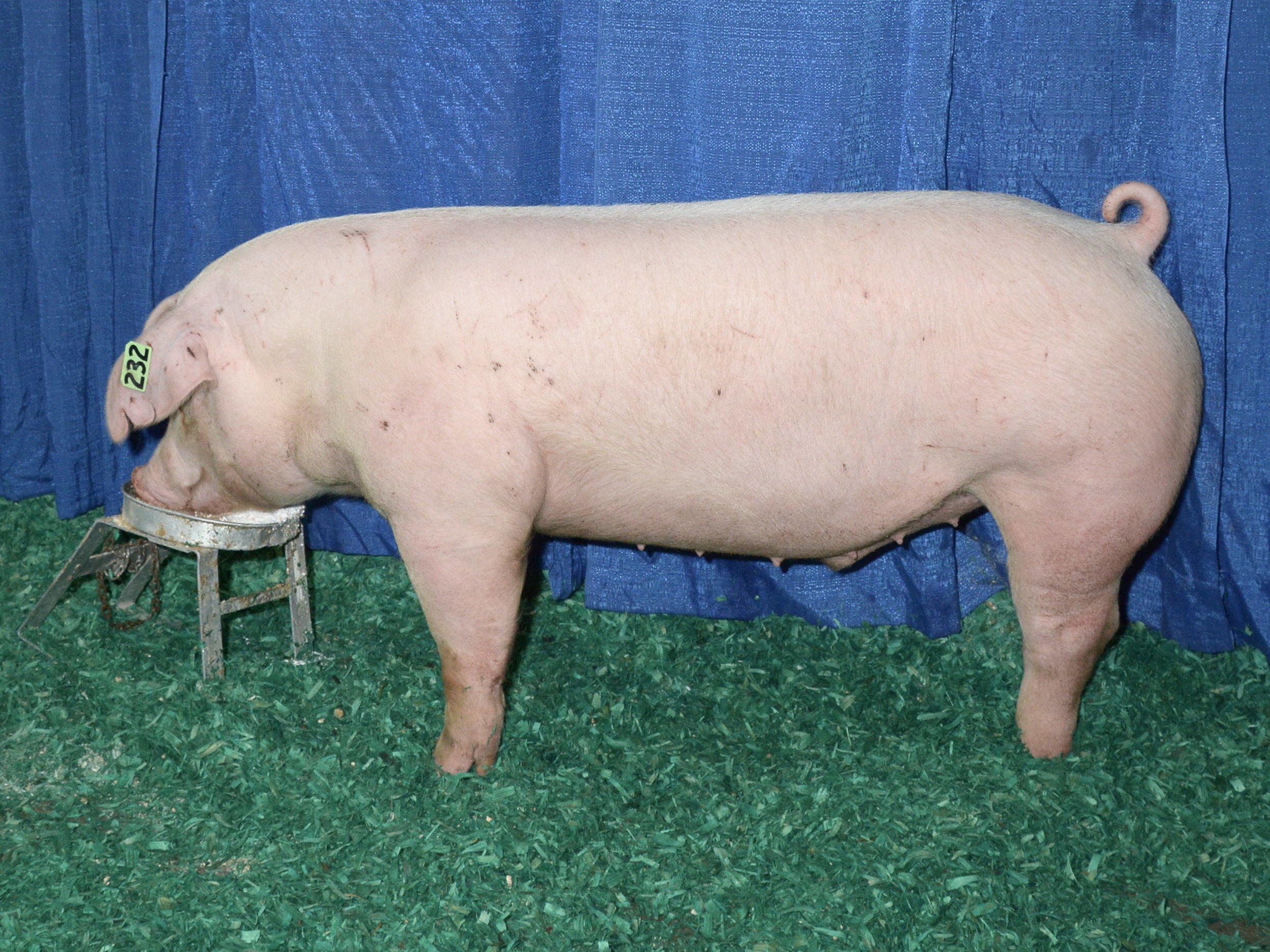
Yorkshire Look first Look for an all-white hog with erect ears and a long, clean-bodied appearance.
Closest check Chester White and Landrace are white but have drooping ears; Landrace ears are especially large.
Contest habit identify ear carriage, horn/polled status, color pattern and breed-type clues before committing to the name.
Memory cue Yorkshire = white + ears UP.
Speed Slow Normal Fast Voice Device Natural AI Live-animal external anatomy Robert Scarth · CC BY-SA 2.0 Source and license ↗ The detailed body-parts room adds numbered markers only where the landmark is clear on this exact photo.
Open photo-based body-parts study → Beef body parts ●
Brisket Look first Lower chest at the front of the body, between and just ahead of the forelegs.
How to find it Drop straight down from the shoulder into the chest floor.
Do not confuse Heart Girth — heart girth wraps around the body just behind the front legs.
Memory cue Brisket = Drop straight down from the shoulder into the chest floor.
Speed Slow Normal Fast Voice Device Natural AI Live-animal external anatomy Robert Scarth · CC BY-SA 2.0 Source and license ↗ The detailed body-parts room adds numbered markers only where the landmark is clear on this exact photo.
Open photo-based body-parts study → Beef body parts ●
Dewlap Look first Loose fold of skin along the underside of the neck.
How to find it Trace the underside of the neck toward the brisket.
Do not confuse Brisket — dewlap is skin under the neck; brisket is the lower chest.
Memory cue Dewlap = Trace the underside of the neck toward the brisket.
Speed Slow Normal Fast Voice Device Natural AI Live-animal external anatomy Robert Scarth · CC BY-SA 2.0 Source and license ↗ The detailed body-parts room adds numbered markers only where the landmark is clear on this exact photo.
Open photo-based body-parts study → Beef body parts ●
Hock Look first Large joint on the rear leg below the stifle and above the pastern.
How to find it On the rear leg, find the obvious backward-bending joint.
Do not confuse Stifle is higher and more forward; Pastern is lower near the hoof.
Memory cue Hock = On the rear leg, find the obvious backward-bending joint.
Speed Slow Normal Fast Voice Device Natural AI Live-animal external anatomy Robert Scarth · CC BY-SA 2.0 Source and license ↗ The detailed body-parts room adds numbered markers only where the landmark is clear on this exact photo.
Open photo-based body-parts study → Beef body parts ●
Loin Look first Top of the body behind the back/rib region and ahead of the hip/rump.
How to find it Move rearward along the topline from the back toward the hip.
Do not confuse Back — back is more forward over the ribs.
Memory cue Loin = Move rearward along the topline from the back toward the hip.
Speed Slow Normal Fast Voice Device Natural AI Live-animal external anatomy Robert Scarth · CC BY-SA 2.0 Source and license ↗ The detailed body-parts room adds numbered markers only where the landmark is clear on this exact photo.
Open photo-based body-parts study → Beef body parts ●
Muzzle Look first Nose and mouth end of the head.
How to find it The farthest-forward point of the head.
Do not confuse Jaw — jaw is behind and below the muzzle.
Memory cue Muzzle = The farthest-forward point of the head.
Speed Slow Normal Fast Voice Device Natural AI Live-animal external anatomy Robert Scarth · CC BY-SA 2.0 Source and license ↗ The detailed body-parts room adds numbered markers only where the landmark is clear on this exact photo.
Open photo-based body-parts study → Beef body parts ●
Pastern Look first Short lower-leg section immediately above the hoof.
How to find it Go to the bottom of the leg and move just above the hoof.
Do not confuse Hock — hock is the much higher rear-leg joint.
Memory cue Pastern = Go to the bottom of the leg and move just above the hoof.
Speed Slow Normal Fast Voice Device Natural AI Live-animal external anatomy Robert Scarth · CC BY-SA 2.0 Source and license ↗ The detailed body-parts room adds numbered markers only where the landmark is clear on this exact photo.
Open photo-based body-parts study → Beef body parts ●
Rump Look first Upper hindquarter from the hip area toward the tail head.
How to find it Find the sloping top of the hindquarter behind the loin.
Do not confuse Round — round is lower and more muscular on the rear leg.
Memory cue Rump = Find the sloping top of the hindquarter behind the loin.
Speed Slow Normal Fast Voice Device Natural AI Live-animal external anatomy Robert Scarth · CC BY-SA 2.0 Source and license ↗ The detailed body-parts room adds numbered markers only where the landmark is clear on this exact photo.
Open photo-based body-parts study → Beef body parts ●
Shoulder Look first Front body where the foreleg joins the torso.
How to find it Find the large front-body junction directly above the foreleg.
Do not confuse Crops — crops are just behind the shoulder on the upper rib area.
Memory cue Shoulder = Find the large front-body junction directly above the foreleg.
Speed Slow Normal Fast Voice Device Natural AI Live-animal external anatomy Mapes Livestock Photos / Keystone International · CC BY 2.0 Source and license ↗ The detailed body-parts room adds numbered markers only where the landmark is clear on this exact photo.
Open photo-based body-parts study → Swine body parts ●
Ham Look first Large muscular upper rear leg/hindquarter.
How to find it Look for the thick muscle mass of the rear leg.
Do not confuse Rump — rump is the top of the hindquarter above the ham.
Memory cue Ham = Look for the thick muscle mass of the rear leg.
Speed Slow Normal Fast Voice Device Natural AI Live-animal external anatomy Mapes Livestock Photos / Keystone International · CC BY 2.0 Source and license ↗ The detailed body-parts room adds numbered markers only where the landmark is clear on this exact photo.
Open photo-based body-parts study → Swine body parts ●
Jowl Look first Fleshy lower cheek/jaw area behind the snout.
How to find it Look under the face where the cheek blends into the neck.
Do not confuse Face — face is higher; Neck begins farther back.
Memory cue Jowl = Look under the face where the cheek blends into the neck.
Speed Slow Normal Fast Voice Device Natural AI Live-animal external anatomy Mapes Livestock Photos / Keystone International · CC BY 2.0 Source and license ↗ The detailed body-parts room adds numbered markers only where the landmark is clear on this exact photo.
Open photo-based body-parts study → Swine body parts ●
Loin Look first Top rear-middle portion of the body, behind the back and ahead of the rump.
How to find it Follow the topline rearward from the back toward the rump.
Do not confuse Back — back is more forward.
Memory cue Loin = Follow the topline rearward from the back toward the rump.
Speed Slow Normal Fast Voice Device Natural AI Live-animal external anatomy Mapes Livestock Photos / Keystone International · CC BY 2.0 Source and license ↗ The detailed body-parts room adds numbered markers only where the landmark is clear on this exact photo.
Open photo-based body-parts study → Swine body parts ●
Snout Look first Projecting nose and mouth at the front of the head.
How to find it The farthest-forward point of the pig.
Do not confuse Face — face is behind and above the snout.
Memory cue Snout = The farthest-forward point of the pig.
Speed Slow Normal Fast Voice Device Natural AI Live-animal external anatomy Mapes Livestock Photos / Keystone International · CC BY 2.0 Source and license ↗ The detailed body-parts room adds numbered markers only where the landmark is clear on this exact photo.
Open photo-based body-parts study → Swine body parts ●
Stifle Look first Forward joint of the hind leg where it meets the body.
How to find it Find the upper rear-leg joint on the front edge of the ham.
Do not confuse Hock — hock is lower on the rear leg.
Memory cue Stifle = Find the upper rear-leg joint on the front edge of the ham.
Speed Slow Normal Fast Voice Device Natural AI Live-animal external anatomy Mapes Livestock Photos / Keystone International · CC BY 2.0 Source and license ↗ The detailed body-parts room adds numbered markers only where the landmark is clear on this exact photo.
Open photo-based body-parts study → Swine body parts ●
Pastern Look first Lower-leg section immediately above the hoof/toes.
How to find it Go to the bottom of the front leg and move just above the hoof.
Do not confuse Knee — knee is much higher on the front leg; Dewclaw is the small accessory digit.
Memory cue Pastern = Go to the bottom of the front leg and move just above the hoof.
Speed Slow Normal Fast Voice Device Natural AI Beef wholesale cuts ●
Brisket Look first Lower front chest wholesale region beneath the chuck.
How to find it Drop from the shoulder/chuck to the chest floor at the front of the body.
Do not confuse Chuck — chuck is above it; Flank is much farther rearward.
Memory cue Brisket = Drop from the shoulder/chuck to the chest floor at the front of the body.
Speed Slow Normal Fast Voice Device Natural AI Beef wholesale cuts ●
Chuck Look first Large front-quarter region behind the neck and over the shoulder.
How to find it Start at the shoulder and upper front ribs; the chuck is the broad front body block.
Do not confuse Rib — rib begins immediately behind the chuck; Brisket is lower on the chest.
Memory cue Chuck = Start at the shoulder and upper front ribs; the chuck is the broad front body block.
Speed Slow Normal Fast Voice Device Natural AI Beef wholesale cuts ●
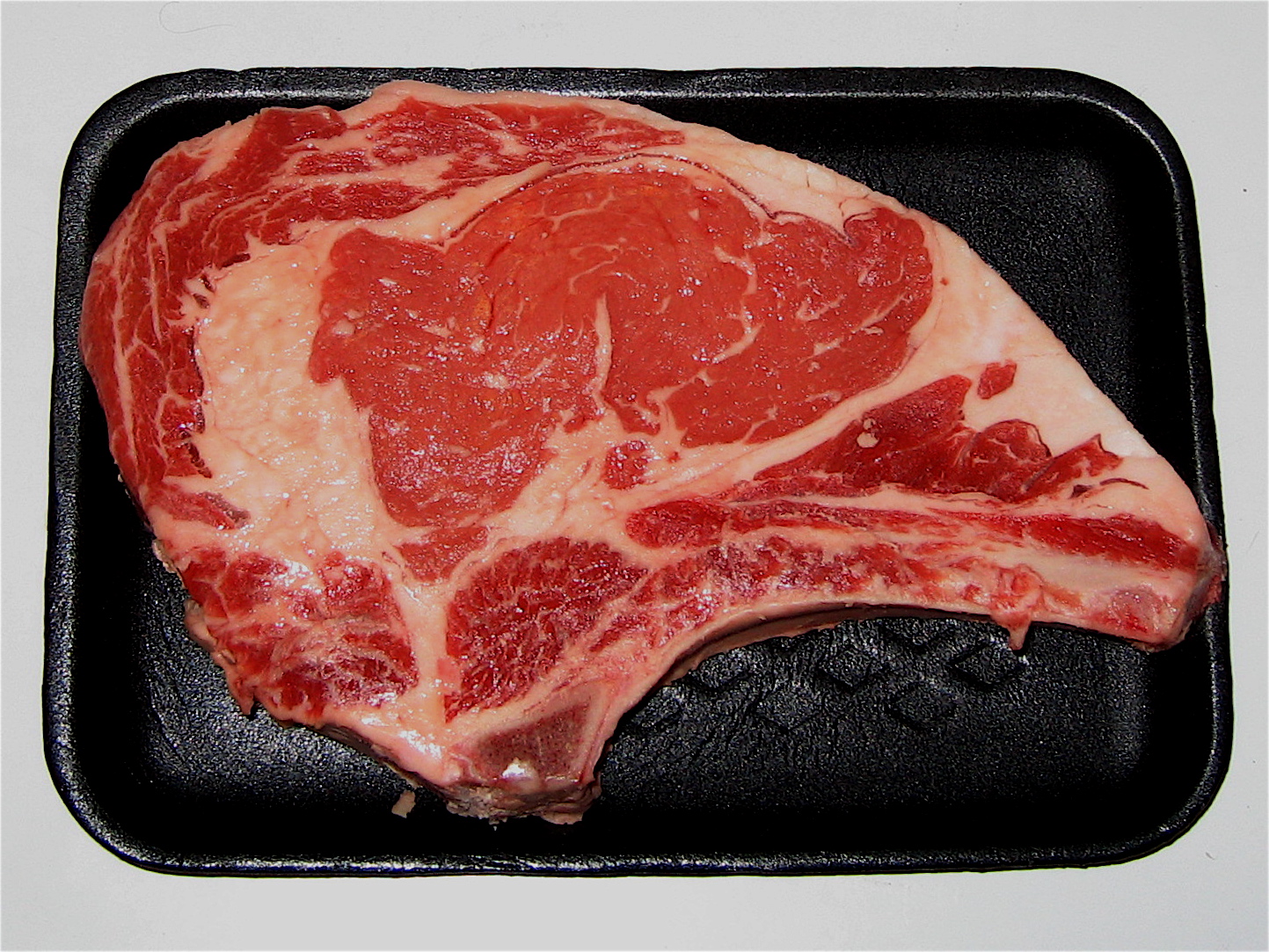
Rib Look first Upper-middle wholesale region immediately behind the chuck.
How to find it Move rearward from the chuck to the first major upper-middle body section.
Do not confuse Loin — loin is farther rearward; Chuck is immediately in front.
Memory cue Rib = Move rearward from the chuck to the first major upper-middle body section.
Speed Slow Normal Fast Voice Device Natural AI Beef wholesale cuts ●
Loin Look first Upper rear-middle region behind the rib and ahead of the hindquarter.
How to find it Follow the topline rearward from rib toward the hip; the loin sits between them.
Do not confuse Rib — rib is more forward; Round is the rear-quarter region.
Memory cue Loin = Follow the topline rearward from rib toward the hip; the loin sits between them.
Speed Slow Normal Fast Voice Device Natural AI Beef wholesale cuts ●
Round Look first Large rear-quarter wholesale region of the hindquarter.
How to find it Go to the muscular rear quarter behind the loin.
Do not confuse Loin — loin is on the upper back ahead of the hindquarter.
Memory cue Round = Go to the muscular rear quarter behind the loin.
Speed Slow Normal Fast Voice Device Natural AI Beef wholesale cuts ●
Flank Look first Lower rear abdominal region immediately ahead of the hind leg.
How to find it Find the lower belly-side just in front of the rear quarter.
Do not confuse Loin — loin is directly above; Round is directly behind.
Memory cue Flank = Find the lower belly-side just in front of the rear quarter.
Speed Slow Normal Fast Voice Device Natural AI Swine wholesale cuts ●
Boston Shoulder (Butt) Look first Upper shoulder wholesale region behind the head.
How to find it Look at the top half of the front quarter, above the picnic shoulder.
Do not confuse Picnic Shoulder — picnic is the lower front shoulder/foreleg region.
Memory cue Boston Shoulder (Butt) = Look at the top half of the front quarter, above the picnic shoulder.
Speed Slow Normal Fast Voice Device Natural AI Swine wholesale cuts ●
Picnic Shoulder Look first Lower shoulder and upper foreleg wholesale region.
How to find it Stay in the front quarter but move below the Boston shoulder toward the foreleg.
Do not confuse Boston Shoulder — Boston is directly above; Side begins behind the shoulder.
Memory cue Picnic Shoulder = Stay in the front quarter but move below the Boston shoulder toward the foreleg.
Speed Slow Normal Fast Voice Device Natural AI Swine wholesale cuts ●
Loin Look first Long upper-middle wholesale region between shoulder and ham.
How to find it Trace the topline from behind the shoulder nearly to the hindquarter.
Do not confuse Side — side is below it; Ham is behind it.
Memory cue Loin = Trace the topline from behind the shoulder nearly to the hindquarter.
Speed Slow Normal Fast Voice Device Natural AI Swine wholesale cuts ●
Ham Look first Large rear-leg and hindquarter wholesale region.
How to find it Go to the thick muscular rear quarter of the hog.
Do not confuse Loin — loin is ahead and above; Side is ahead and below.
Memory cue Ham = Go to the thick muscular rear quarter of the hog.
Speed Slow Normal Fast Voice Device Natural AI Swine wholesale cuts ●
Side Look first Lower-middle belly/side wholesale region behind the shoulder and below the loin.
How to find it Find the lower side under the rear half of the loin, ahead of the ham.
Do not confuse Spare Ribs — spare ribs are the more forward rib portion; Ham is behind.
Memory cue Side = Find the lower side under the rear half of the loin, ahead of the ham.
Speed Slow Normal Fast Voice Device Natural AI Swine wholesale cuts ●
Spare Ribs Look first Rib portion in the lower-middle side beneath the loin.
How to find it Go below the loin into the front-to-middle belly-side over the rib cage.
Do not confuse Side — spare ribs sit within the lower side area; Side extends farther rearward.
Memory cue Spare Ribs = Go below the loin into the front-to-middle belly-side over the rib cage.
Speed Slow Normal Fast Voice Device Natural AI Swine wholesale cuts ●
Jowl Look first Cheek and lower-jaw region at the front of the hog.
How to find it Find the fleshy lower cheek immediately behind the snout.
Do not confuse Boston Shoulder — shoulder starts behind the head; jowl stays on the cheek/jaw.
Memory cue Jowl = Find the fleshy lower cheek immediately behind the snout.
Speed Slow Normal Fast Voice Device Natural AI Event format ●
Placing Classes Look first Published middle-school rules use 4–6 evaluation classes, and the current Florida FFA event page highlights market and breeding cattle, swine, sheep and goats.
Classes are ranked from most desirable to least desirable for the class purpose.
Practice seeing structure, muscle, finish, balance and species-specific priorities.
Memory cue Place the class for its purpose, not your favorite animal.
Speed Slow Normal Fast Voice Device Natural AI Event format ●
Question Classes Look first After designated evaluation classes, contestants can answer observation questions about the animals they just evaluated.
Published middle-school rules specify 5–10 questions per question class.
Train yourself to note markings, structure and comparative traits while you place.
Memory cue Place it, then remember what you actually saw.
Speed Slow Normal Fast Voice Device Natural AI Event format ●
Beef & Swine Identification Look first The identification/skillathon area covers beef and swine body parts, breeds and wholesale cuts.
Published middle-school rules allow 30 minutes for the identification phase.
Sheep and meat goats belong in placing-class study, not the beef/swine ID pool.
Memory cue ID station = beef + swine: parts, breeds, cuts.
Speed Slow Normal Fast Voice Device Natural AI Livestock knowledge ●
2026–27 Preliminary Written Exam Look first The current Florida FFA revision makes the written exam the first individual tiebreaker in the Middle School preliminary.
Team preliminary ties use drop score, total written exam, then total placing classes.
The public revision sheet does not state an exam question count, so this site does not invent one.
Memory cue Preliminary tie: exam before placings.
Speed Slow Normal Fast Voice Device Natural AI Event format ●
2026–27 State Finals Tiebreaker Look first At Middle School State Finals, individual ties use total placing classes first, then total questions.
Team State Finals ties use drop score, total placing classes, then total questions.
Do not use the preliminary written-exam tiebreak order at State Finals.
Memory cue Finals: placings → questions.
Speed Slow Normal Fast Voice Device Natural AI Evaluation basics ●
Muscle Look first Compare width, shape and expression in high-value areas.
Market animals should show useful width through top/loin and quarter or ham.
More width only helps if the animal remains structurally functional.
Memory cue Muscle = width + shape where product is.
Speed Slow Normal Fast Voice Device Natural AI Evaluation basics ●
Finish Look first Finish means external fat cover and degree of market readiness.
Too little and too much finish can both be faults.
Never confuse fat cover with muscle.
Memory cue Finish = fat cover, not muscle.
Speed Slow Normal Fast Voice Device Natural AI Evaluation basics ●
Structural Correctness Look first Feet and legs should let the animal move freely and stay useful.
Watch hock, knee, pastern and shoulder angles.
Movement can reveal problems hidden while standing.
Memory cue Structure = can it move and stay sound?
Speed Slow Normal Fast Voice Device Natural AI Evaluation basics ●
Balance Look first Body parts should blend proportionally from front to rear.
Avoid animals that are extreme in one trait but poor overall.
Use profile, front/rear and movement views.
Memory cue Balance = pieces fit the whole.
Speed Slow Normal Fast Voice Device Natural AI Evaluation basics ●
Placing Scores & Cuts Look first A perfect placing is worth 50 points; reversing a close pair should cost less than reversing a pair the official judge separated widely.
The three cuts describe the official judge's separation in the top, middle and bottom pairs.
A reversed pair drops the cut values crossed by that reversal.
Memory cue Cuts tell you how costly a pair mistake is.
Speed Slow Normal Fast Voice Device Natural AI Evaluation basics ●
Market Steer Priority Order Look first Growth/performance → composition → structural correctness → balance/eye appeal.
Composition means the correct blend of muscularity and finish.
Use market data or performance information when the class supplies it.
Memory cue Market steer: grow → product → move → balance.
Speed Slow Normal Fast Voice Device Natural AI Evaluation basics ●
Breeding Cattle Priority Order Look first Start with structural correctness and function, then volume, balance, composition and scenario-appropriate performance.
Breeding cattle must remain useful and mobile for the production system.
When a production scenario or performance data are supplied, let the scenario change trait emphasis.
Memory cue Breeding cattle: function first, then capacity and purpose.
Speed Slow Normal Fast Voice Device Natural AI Evaluation basics ●
Market Hog Priority Order Look first Growth → composition → structural soundness → balance/design.
Evaluate hogs from multiple angles because they are loose and moving.
Do not confuse body fat with useful loin and ham muscle.
Memory cue Market hog: grow → product → drive → design.
Speed Slow Normal Fast Voice Device Natural AI Evaluation basics ●
Breeding Swine Priority Order Look first Structural soundness → growth → composition → sexual characteristics.
Feet, legs and joint angles affect durability.
For females, reproductive usefulness and underline quality matter along with growth and composition.
Memory cue Breeding swine: stay sound, grow, produce, reproduce.
Speed Slow Normal Fast Voice Device Natural AI Evaluation basics ●
Breeding Sheep Priority Order Look first Growth/performance, structural soundness, volume, muscle and correct breed/sex character all matter.
Breeding sheep should travel comfortably and easily.
Rams should look masculine and rugged; ewes should remain feminine and productive.
Memory cue Breeding sheep: growth + soundness + capacity + muscle.
Speed Slow Normal Fast Voice Device Natural AI Evaluation basics ●
Market Lamb Decision Order Look first Start with saleable muscle and the correct degree of finish, then use growth, structure and balance to separate close lambs.
Read width and shape over the rack, loin and leg rather than judging fleece or style alone.
Too much finish can hide muscle shape and reduce cutability.
Memory cue Market lamb: product first — muscle + correct finish.
Speed Slow Normal Fast Voice Device Natural AI Evaluation basics ●
Market Wether Priority Order Look first Muscle → handle/cutability → growth → balance → structure.
Muscle leads the market-wether class.
A trim, efficient handle can separate two similarly muscular goats.
Memory cue Wether: muscle first, then cutability.
Speed Slow Normal Fast Voice Device Natural AI Evaluation basics ●
Breeding Doe Priority Order Look first Width/stoutness → structure → balance → performance.
Base width and stout construction matter in breeding does.
Long-term function remains more important than surface refinement.
Memory cue Doe: stout → sound → balanced → productive.
Speed Slow Normal Fast Voice Device Natural AI Live-animal external anatomy Robert Scarth · CC BY-SA 2.0 Source and license ↗ The detailed body-parts room adds numbered markers only where the landmark is clear on this exact photo.
Open photo-based body-parts study → Beef body parts ●
Back Look first Topline over the middle of the rib cage, ahead of the loin.
How to find it Find the long, level top of the body behind the shoulder.
Do not confuse Loin — the loin is farther rearward, between the back/rib area and the rump.
Memory cue Back = Find the long, level top of the body behind the shoulder.
Speed Slow Normal Fast Voice Device Natural AI Live-animal external anatomy Robert Scarth · CC BY-SA 2.0 Source and license ↗ The detailed body-parts room adds numbered markers only where the landmark is clear on this exact photo.
Open photo-based body-parts study → Beef body parts ●
Crops Look first Upper front body immediately behind the top of the shoulder.
How to find it Look just behind the shoulder on the upper side of the rib cage.
Do not confuse Shoulder — shoulder is the front body/foreleg attachment; crops sit just behind it.
Memory cue Crops = Look just behind the shoulder on the upper side of the rib cage.
Speed Slow Normal Fast Voice Device Natural AI Live-animal external anatomy Robert Scarth · CC BY-SA 2.0 Source and license ↗ The detailed body-parts room adds numbered markers only where the landmark is clear on this exact photo.
Open photo-based body-parts study → Beef body parts ●
Fore Rib Look first Front portion of the rib cage directly behind the shoulder.
How to find it Start at the shoulder and move slightly rearward onto the ribs.
Do not confuse Ribs — fore rib is the front rib region; ribs extend farther back across the middle.
Memory cue Fore Rib = Start at the shoulder and move slightly rearward onto the ribs.
Speed Slow Normal Fast Voice Device Natural AI Live-animal external anatomy Robert Scarth · CC BY-SA 2.0 Source and license ↗ The detailed body-parts room adds numbered markers only where the landmark is clear on this exact photo.
Open photo-based body-parts study → Beef body parts ●
Heart Girth Look first Body depth immediately behind the forelegs, around the heart/chest region.
How to find it Picture the place a girth would circle the animal just behind the front legs.
Do not confuse Brisket — brisket is lower and farther forward.
Memory cue Heart Girth = Picture the place a girth would circle the animal just behind the front legs.
Speed Slow Normal Fast Voice Device Natural AI Live-animal external anatomy Robert Scarth · CC BY-SA 2.0 Source and license ↗ The detailed body-parts room adds numbered markers only where the landmark is clear on this exact photo.
Open photo-based body-parts study → Beef body parts ●
Hind Flank Look first Lower rear side of the abdomen immediately in front of the hind leg.
How to find it Find the soft lower side just ahead of the rear leg.
Do not confuse Twist — twist is between the upper rear legs; hind flank is on the side.
Memory cue Hind Flank = Find the soft lower side just ahead of the rear leg.
Speed Slow Normal Fast Voice Device Natural AI Live-animal external anatomy Robert Scarth · CC BY-SA 2.0 Source and license ↗ The detailed body-parts room adds numbered markers only where the landmark is clear on this exact photo.
Open photo-based body-parts study → Beef body parts ●
Hip or Hook Look first Prominent forward point of the pelvis at the top of the hindquarter.
How to find it Find the first high pelvic point after the loin.
Do not confuse Pin Bones — pin bones are farther rearward near the tail setting.
Memory cue Hip or Hook = Find the first high pelvic point after the loin.
Speed Slow Normal Fast Voice Device Natural AI Live-animal external anatomy Robert Scarth · CC BY-SA 2.0 Source and license ↗ The detailed body-parts room adds numbered markers only where the landmark is clear on this exact photo.
Open photo-based body-parts study → Beef body parts ●
Jaw Look first Lower side of the head behind the muzzle.
How to find it Follow the bottom edge of the head back from the muzzle.
Do not confuse Muzzle — muzzle is the nose/mouth end; jaw is behind it.
Memory cue Jaw = Follow the bottom edge of the head back from the muzzle.
Speed Slow Normal Fast Voice Device Natural AI Live-animal external anatomy Robert Scarth · CC BY-SA 2.0 Source and license ↗ The detailed body-parts room adds numbered markers only where the landmark is clear on this exact photo.
Open photo-based body-parts study → Beef body parts ●
Knee Look first Front-leg joint below the forearm and above the lower leg.
How to find it Find the obvious joint about midway down the front leg.
Do not confuse Pastern — pastern is much lower, immediately above the hoof.
Memory cue Knee = Find the obvious joint about midway down the front leg.
Speed Slow Normal Fast Voice Device Natural AI Live-animal external anatomy Robert Scarth · CC BY-SA 2.0 Source and license ↗ The detailed body-parts room adds numbered markers only where the landmark is clear on this exact photo.
Open photo-based body-parts study → Beef body parts ●
Neck Look first Area connecting the head to the shoulder.
How to find it Trace from the poll/jaw rearward to the shoulder.
Do not confuse Dewlap — dewlap is the loose skin on the underside of the neck.
Memory cue Neck = Trace from the poll/jaw rearward to the shoulder.
Speed Slow Normal Fast Voice Device Natural AI Live-animal external anatomy Robert Scarth · CC BY-SA 2.0 Source and license ↗ The detailed body-parts room adds numbered markers only where the landmark is clear on this exact photo.
Open photo-based body-parts study → Beef body parts ●
Pin Bones Look first Rear points of the pelvis below and behind the hip/hook.
How to find it Look at the rear pelvic point just before the tail-head area.
Do not confuse Hip or Hook — hip/hook is farther forward on the pelvis.
Memory cue Pin Bones = Look at the rear pelvic point just before the tail-head area.
Speed Slow Normal Fast Voice Device Natural AI Live-animal external anatomy Robert Scarth · CC BY-SA 2.0 Source and license ↗ The detailed body-parts room adds numbered markers only where the landmark is clear on this exact photo.
Open photo-based body-parts study → Beef body parts ●
Poll Look first Top of the head between and just behind the ears.
How to find it Find the crown of the head where it joins the upper neck.
Do not confuse Neck — poll is on the head; neck begins behind it.
Memory cue Poll = Find the crown of the head where it joins the upper neck.
Speed Slow Normal Fast Voice Device Natural AI Live-animal external anatomy Robert Scarth · CC BY-SA 2.0 Source and license ↗ The detailed body-parts room adds numbered markers only where the landmark is clear on this exact photo.
Open photo-based body-parts study → Beef body parts ●
Ribs Look first Middle side of the body over the rib cage.
How to find it Center of the barrel, behind fore rib and below the back.
Do not confuse Fore Rib — fore rib is only the front portion immediately behind the shoulder.
Memory cue Ribs = Center of the barrel, behind fore rib and below the back.
Speed Slow Normal Fast Voice Device Natural AI Live-animal external anatomy Robert Scarth · CC BY-SA 2.0 Source and license ↗ The detailed body-parts room adds numbered markers only where the landmark is clear on this exact photo.
Open photo-based body-parts study → Beef body parts ●
Round Look first Large muscular rear-leg/hindquarter region.
How to find it Look at the heavy muscle mass of the upper rear leg.
Do not confuse Rump — rump is the upper topline surface of the hindquarter.
Memory cue Round = Look at the heavy muscle mass of the upper rear leg.
Speed Slow Normal Fast Voice Device Natural AI Live-animal external anatomy Robert Scarth · CC BY-SA 2.0 Source and license ↗ The detailed body-parts room adds numbered markers only where the landmark is clear on this exact photo.
Open photo-based body-parts study → Beef body parts ●
Switch Look first Long hair at the end of the tail.
How to find it Follow the tail to the hanging tuft at its end.
Do not confuse Tail Head — tail head is where the tail attaches to the body.
Memory cue Switch = Follow the tail to the hanging tuft at its end.
Speed Slow Normal Fast Voice Device Natural AI Live-animal external anatomy Robert Scarth · CC BY-SA 2.0 Source and license ↗ The detailed body-parts room adds numbered markers only where the landmark is clear on this exact photo.
Open photo-based body-parts study → Beef body parts ●
Tail Head Look first Point where the tail attaches to the rump.
How to find it Find the base of the tail at the top rear of the body.
Do not confuse Switch — switch is the hair at the far end of the tail.
Memory cue Tail Head = Find the base of the tail at the top rear of the body.
Speed Slow Normal Fast Voice Device Natural AI Live-animal external anatomy Robert Scarth · CC BY-SA 2.0 Source and license ↗ The detailed body-parts room adds numbered markers only where the landmark is clear on this exact photo.
Open photo-based body-parts study → Beef body parts ●
Twist Look first Area between the upper rear legs beneath the hindquarter.
How to find it Look between the rear legs just below the round.
Do not confuse Hind Flank — hind flank lies on the side immediately in front of the rear leg.
Memory cue Twist = Look between the rear legs just below the round.
Speed Slow Normal Fast Voice Device Natural AI Live-animal external anatomy Mapes Livestock Photos / Keystone International · CC BY 2.0 Source and license ↗ The detailed body-parts room adds numbered markers only where the landmark is clear on this exact photo.
Open photo-based body-parts study → Swine body parts ●
Back Look first Topline over the middle portion of the body.
How to find it Find the long top of the pig behind the shoulder.
Do not confuse Loin — loin is farther rearward along the topline.
Memory cue Back = Find the long top of the pig behind the shoulder.
Speed Slow Normal Fast Voice Device Natural AI Live-animal external anatomy Mapes Livestock Photos / Keystone International · CC BY 2.0 Source and license ↗ The detailed body-parts room adds numbered markers only where the landmark is clear on this exact photo.
Open photo-based body-parts study → Swine body parts ●
Belly Look first Lower middle underside of the body.
How to find it Find the lowest long underline of the body between front and rear legs.
Do not confuse Rear Flank — rear flank is the lower side just ahead of the hind leg.
Memory cue Belly = Find the lowest long underline of the body between front and rear legs.
Speed Slow Normal Fast Voice Device Natural AI Live-animal external anatomy Mapes Livestock Photos / Keystone International · CC BY 2.0 Source and license ↗ The detailed body-parts room adds numbered markers only where the landmark is clear on this exact photo.
Open photo-based body-parts study → Swine body parts ●
Dewclaw Look first Small accessory digit above and behind the main toes on the lower leg.
How to find it Look just above the hoof/toes on the rear side of the lower leg.
Do not confuse Pastern — pastern is the lower leg section above the hoof; dewclaw is the small digit.
Memory cue Dewclaw = Look just above the hoof/toes on the rear side of the lower leg.
Speed Slow Normal Fast Voice Device Natural AI Live-animal external anatomy Mapes Livestock Photos / Keystone International · CC BY 2.0 Source and license ↗ The detailed body-parts room adds numbered markers only where the landmark is clear on this exact photo.
Open photo-based body-parts study → Swine body parts ●
Ear Look first External ear on top/side of the head.
How to find it Use the ear itself, not its carriage, as the landmark.
Do not confuse Face — face is the front plane of the head below and ahead of the ear.
Memory cue Ear = Use the ear itself, not its carriage, as the landmark.
Speed Slow Normal Fast Voice Device Natural AI Live-animal external anatomy Mapes Livestock Photos / Keystone International · CC BY 2.0 Source and license ↗ The detailed body-parts room adds numbered markers only where the landmark is clear on this exact photo.
Open photo-based body-parts study → Swine body parts ●
Face Look first Front of the head between the eyes/forehead and the snout.
How to find it Move from the ear/eye area forward toward the snout.
Do not confuse Snout — snout is the projecting nose/mouth end.
Memory cue Face = Move from the ear/eye area forward toward the snout.
Speed Slow Normal Fast Voice Device Natural AI Live-animal external anatomy Mapes Livestock Photos / Keystone International · CC BY 2.0 Source and license ↗ The detailed body-parts room adds numbered markers only where the landmark is clear on this exact photo.
Open photo-based body-parts study → Swine body parts ●
Fore Rib Look first Front part of the rib cage immediately behind the shoulder.
How to find it Start at the shoulder and move slightly rearward onto the body wall.
Do not confuse Shoulder — shoulder is farther forward at the foreleg attachment.
Memory cue Fore Rib = Start at the shoulder and move slightly rearward onto the body wall.
Speed Slow Normal Fast Voice Device Natural AI Live-animal external anatomy Mapes Livestock Photos / Keystone International · CC BY 2.0 Source and license ↗ The detailed body-parts room adds numbered markers only where the landmark is clear on this exact photo.
Open photo-based body-parts study → Swine body parts ●
Hock Look first Rear-leg joint below the stifle and above the pastern.
How to find it Find the rear leg's prominent lower joint.
Do not confuse Stifle is higher and forward; Pastern is lower near the hoof.
Memory cue Hock = Find the rear leg's prominent lower joint.
Speed Slow Normal Fast Voice Device Natural AI Live-animal external anatomy Mapes Livestock Photos / Keystone International · CC BY 2.0 Source and license ↗ The detailed body-parts room adds numbered markers only where the landmark is clear on this exact photo.
Open photo-based body-parts study → Swine body parts ●
Knee Look first Front-leg joint below the forearm and above the lower leg.
How to find it Find the middle joint of the front leg.
Do not confuse Pastern — pastern is much lower near the hoof.
Memory cue Knee = Find the middle joint of the front leg.
Speed Slow Normal Fast Voice Device Natural AI Live-animal external anatomy Mapes Livestock Photos / Keystone International · CC BY 2.0 Source and license ↗ The detailed body-parts room adds numbered markers only where the landmark is clear on this exact photo.
Open photo-based body-parts study → Swine body parts ●
Neck Look first Area connecting the head/jowl to the shoulder.
How to find it Find the short transition between head and shoulder.
Do not confuse Jowl — jowl is the fleshy lower cheek in front of the neck.
Memory cue Neck = Find the short transition between head and shoulder.
Speed Slow Normal Fast Voice Device Natural AI Live-animal external anatomy Mapes Livestock Photos / Keystone International · CC BY 2.0 Source and license ↗ The detailed body-parts room adds numbered markers only where the landmark is clear on this exact photo.
Open photo-based body-parts study → Swine body parts ●
Rear Flank Look first Lower rear side of the body immediately in front of the hind leg.
How to find it Find the tucked lower-side region just ahead of the ham.
Do not confuse Belly — belly is more central along the underside.
Memory cue Rear Flank = Find the tucked lower-side region just ahead of the ham.
Speed Slow Normal Fast Voice Device Natural AI Live-animal external anatomy Mapes Livestock Photos / Keystone International · CC BY 2.0 Source and license ↗ The detailed body-parts room adds numbered markers only where the landmark is clear on this exact photo.
Open photo-based body-parts study → Swine body parts ●
Rump Look first Top of the hindquarter behind the loin and ahead of the tail.
How to find it Find the upper rear body where the topline slopes toward the tail.
Do not confuse Ham — ham is lower and more muscular.
Memory cue Rump = Find the upper rear body where the topline slopes toward the tail.
Speed Slow Normal Fast Voice Device Natural AI Live-animal external anatomy Mapes Livestock Photos / Keystone International · CC BY 2.0 Source and license ↗ The detailed body-parts room adds numbered markers only where the landmark is clear on this exact photo.
Open photo-based body-parts study → Swine body parts ●
Shoulder Look first Front body where the foreleg joins the torso.
How to find it Find the front-body junction directly above the foreleg.
Do not confuse Fore Rib — fore rib begins just behind the shoulder.
Memory cue Shoulder = Find the front-body junction directly above the foreleg.
Speed Slow Normal Fast Voice Device Natural AI Live-animal external anatomy Mapes Livestock Photos / Keystone International · CC BY 2.0 Source and license ↗ The detailed body-parts room adds numbered markers only where the landmark is clear on this exact photo.
Open photo-based body-parts study → Swine body parts ●
Tail Look first Tail projecting from the rear of the rump.
How to find it Find the appendage at the very rear of the animal.
Do not confuse Rump — rump is the body region immediately in front of the tail.
Memory cue Tail = Find the appendage at the very rear of the animal.
Speed Slow Normal Fast Voice Device Natural AI Evaluation basics ●
Sheep Class Recognition Look first Middle-school placing classes may include sheep. Practice evaluating muscle, finish, structure, balance and species-appropriate breed/market traits.
This item appears in the Florida FFA material used to build this study bank.
Practice recognition from multiple views because contest specimens and photos can vary.
Memory cue Sheep can appear in placing classes even though the ID station is beef/swine.
Speed Slow Normal Fast Voice Device Natural AI Evaluation basics ●
Meat Goat Class Recognition Look first Middle-school placing classes may include meat goats. Practice structural correctness, muscle, balance, capacity and market/breeding purpose.
This item appears in the Florida FFA material used to build this study bank.
Practice recognition from multiple views because contest specimens and photos can vary.
Memory cue Goats can appear in placing classes even though the ID station is beef/swine.
Speed Slow Normal Fast Voice Device Natural AI